Welcome to the Mangawhai Village MVPreschool blog! At MVPreschool, we recognize the critical role that play has in the development of young children. Through play, children learn and develop essential skills that form the foundation for lifelong learning and success. In this blog, we’ll explore the importance of play in early childhood development and how it helps preschoolers grow. Join us on this journey to understand why play is at the heart of our philosophy at Mangawhai Village MVPreschool!
Introduction to the Role of Play
At Mangawhai Village MVPreschool, we understand that play is not just a leisure activity; it is a fundamental part of early childhood development. Play provides children with opportunities to explore their world, understand how things work, and interact with others. Through play, preschoolers develop the cognitive, social, emotional, and physical skills they need for future learning and growth.
1. Cognitive Development Through Play
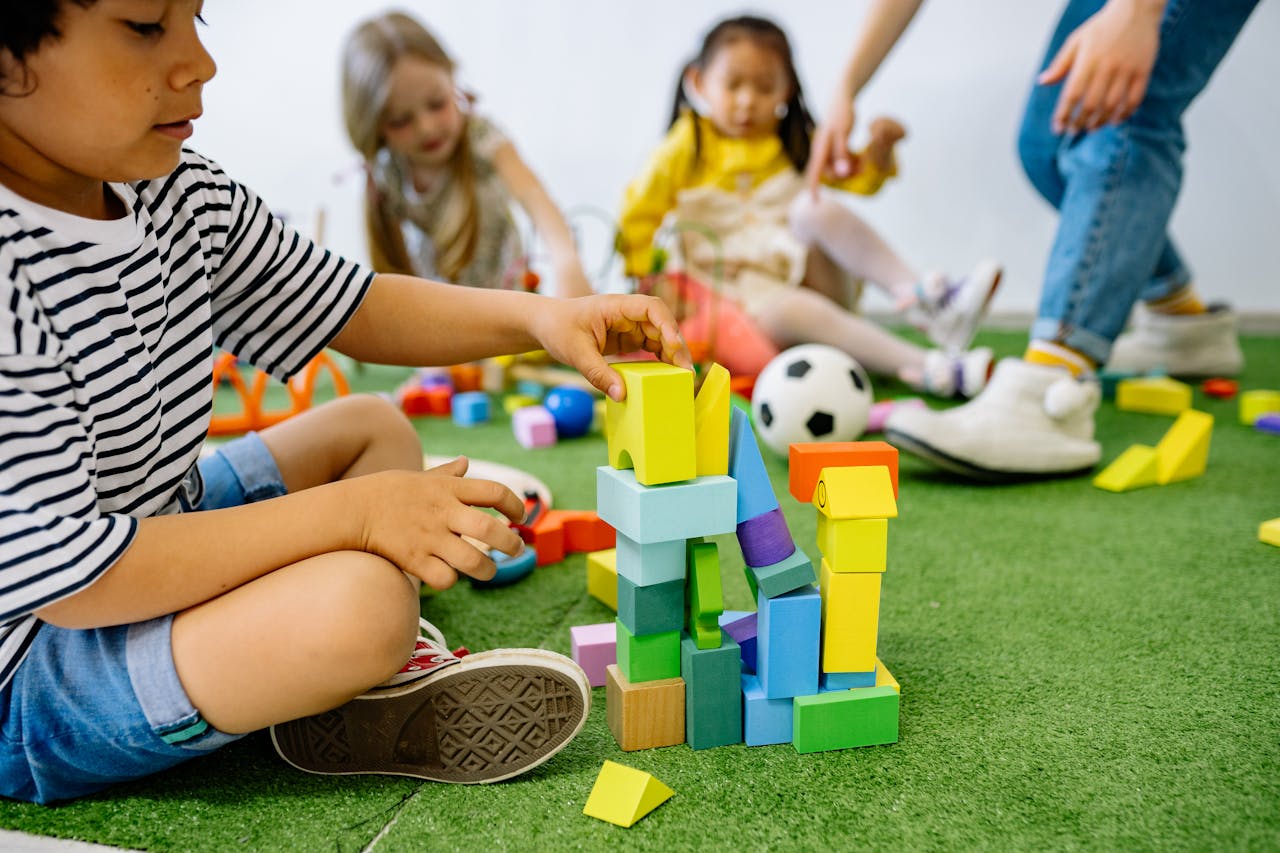
Play stimulates brain development and cognitive growth. When children engage in play, they use their imagination, experiment with cause and effect, and learn to problem-solve. At MVPreschool, we encourage activities like building with blocks, puzzles, and role-playing games that enhance cognitive skills and promote intellectual curiosity.
2. Social and Emotional Growth
Playing with others helps children develop social skills and emotional intelligence. Through play, preschoolers learn to share, take turns, cooperate, and resolve conflicts. At Mangawhai Village MVPreschool, we create a nurturing environment where children can build friendships, understand emotions, and develop empathy.
3. Physical Development and Coordination
Physical play is essential for developing motor skills and overall physical health. Activities such as running, climbing, and playing with balls help preschoolers improve their coordination, balance, and strength. MVPreschool provides ample opportunities for physical play both indoors and outdoors, ensuring that children are active and healthy.
4. Language and Communication Skills
Play is a natural way for children to develop language and communication skills. Through interactive play, children expand their vocabulary, learn new concepts, and practice conversational skills. At Mangawhai Village MVPreschool, we integrate storytelling, singing, and group activities to enhance language development.
5. Creativity and Imagination
Play fosters creativity and imagination, allowing children to express themselves and explore new ideas. At MVPreschool, we provide a variety of creative play opportunities, such as art projects, dress-up games, and pretend play, to stimulate imagination and encourage creative thinking.
6. Problem-Solving and Critical Thinking
Through play, children learn to think critically and solve problems. Whether they are figuring out how to build a tall tower or navigate a new game, play challenges preschoolers to use their brains in innovative ways. Mangawhai Village MVPreschool offers a range of activities that promote problem-solving and critical thinking skills.
7. Self-Confidence and Independence
Play helps children build self-confidence and develop a sense of independence. When preschoolers successfully complete a task or create something new, they gain a sense of accomplishment. At MVPreschool, we support children’s independence by providing a safe and encouraging environment where they can take risks and learn from their experiences.
8. Play-Based Learning Activities at MVPreschool
At Mangawhai Village MVPreschool, we integrate play-based learning into our daily routines. Our curriculum is designed to provide a balance of structured and free play, allowing children to explore their interests and develop at their own pace. From sensory play to outdoor adventures, MVPreschool ensures that every child has the opportunity to learn through play.
Conclusion
Play is an essential part of early childhood development, and at Mangawhai Village MVPreschool, we are committed to providing a rich and supportive environment where children can thrive. Through play, preschoolers develop the cognitive, social, emotional, and physical skills they need for lifelong learning and success. We hope this blog has highlighted the importance of play and inspired you to incorporate more play-based activities into your child’s routine. Thank you for joining us on this journey at MVPreschool!
Leave A Comment