mvpreschool-blog-3

The Importance of Play in Early Childhood Development at Mangawhai Village MVPreschool: Nurturing Essential Skills for Lifelong Learning

Welcome to the Mangawhai Village MVPreschool blog! At MVPreschool, we recognize the critical role that play has in the development of young children. Through play, children learn and develop essential skills that form the foundation for lifelong learning and success. In this blog, we’ll explore the importance of play in early childhood development and how it helps preschoolers grow. Join us on this journey to understand why play is at the heart of our philosophy at Mangawhai Village MVPreschool!

Introduction to the Role of Play

At Mangawhai Village MVPreschool, we understand that play is not just a leisure activity; it is a fundamental part of early childhood development. Play provides children with opportunities to explore their world, understand how things work, and interact with others. Through play, preschoolers develop the cognitive, social, emotional, and physical skills they need for future learning and growth.

1. Cognitive Development Through Play

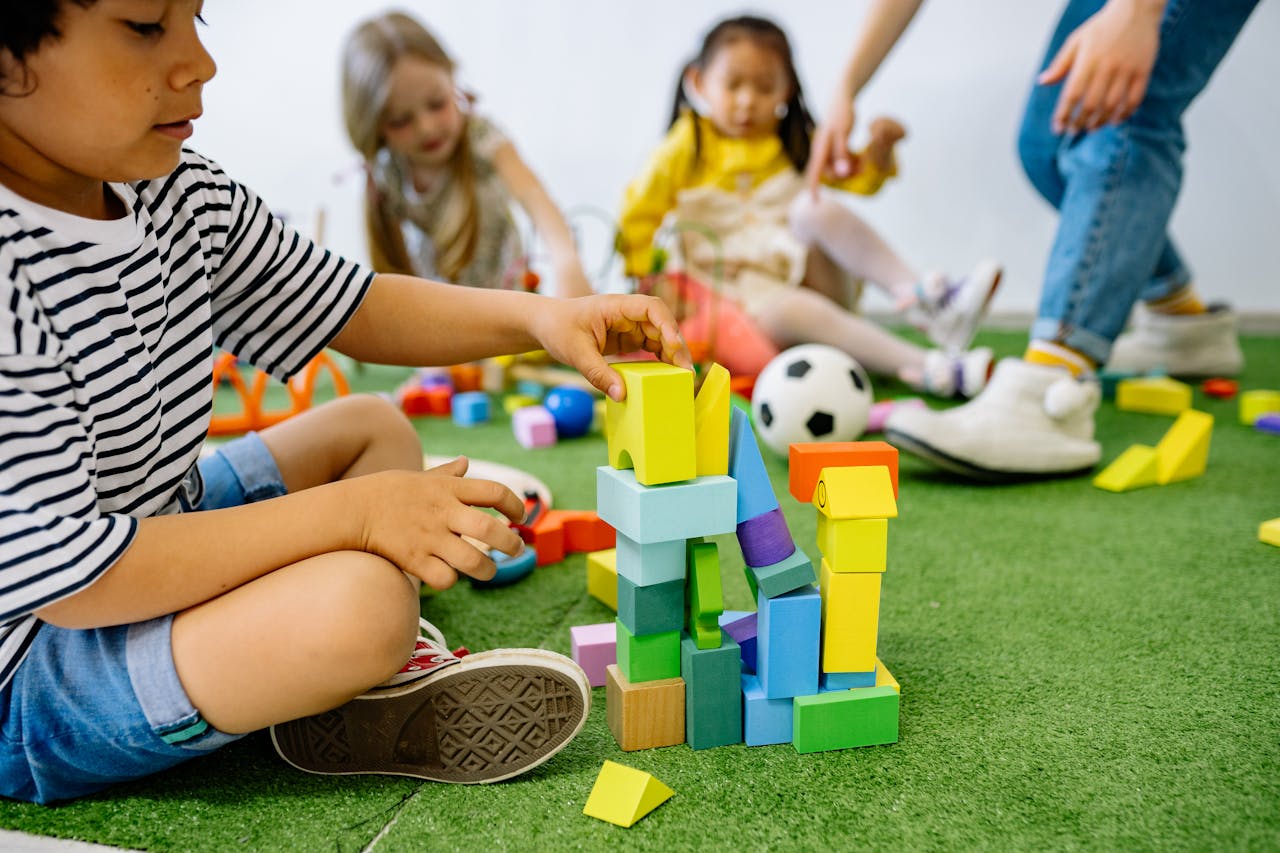
Play stimulates brain development and cognitive growth. When children engage in play, they use their imagination, experiment with cause and effect, and learn to problem-solve. At MVPreschool, we encourage activities like building with blocks, puzzles, and role-playing games that enhance cognitive skills and promote intellectual curiosity.

2. Social and Emotional Growth

Playing with others helps children develop social skills and emotional intelligence. Through play, preschoolers learn to share, take turns, cooperate, and resolve conflicts. At Mangawhai Village MVPreschool, we create a nurturing environment where children can build friendships, understand emotions, and develop empathy.

3. Physical Development and Coordination

Physical play is essential for developing motor skills and overall physical health. Activities such as running, climbing, and playing with balls help preschoolers improve their coordination, balance, and strength. MVPreschool provides ample opportunities for physical play both indoors and outdoors, ensuring that children are active and healthy.

4. Language and Communication Skills

Play is a natural way for children to develop language and communication skills. Through interactive play, children expand their vocabulary, learn new concepts, and practice conversational skills. At Mangawhai Village MVPreschool, we integrate storytelling, singing, and group activities to enhance language development.

5. Creativity and Imagination

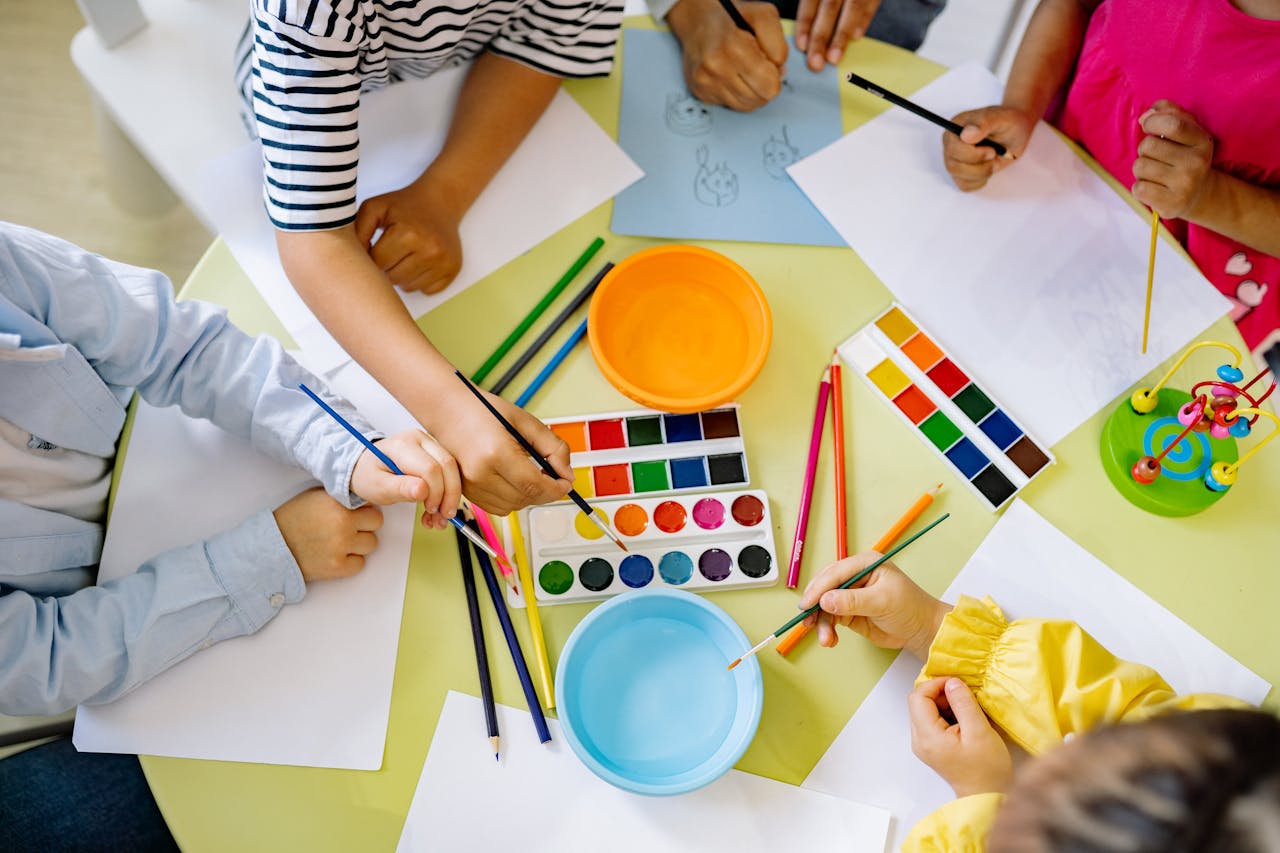
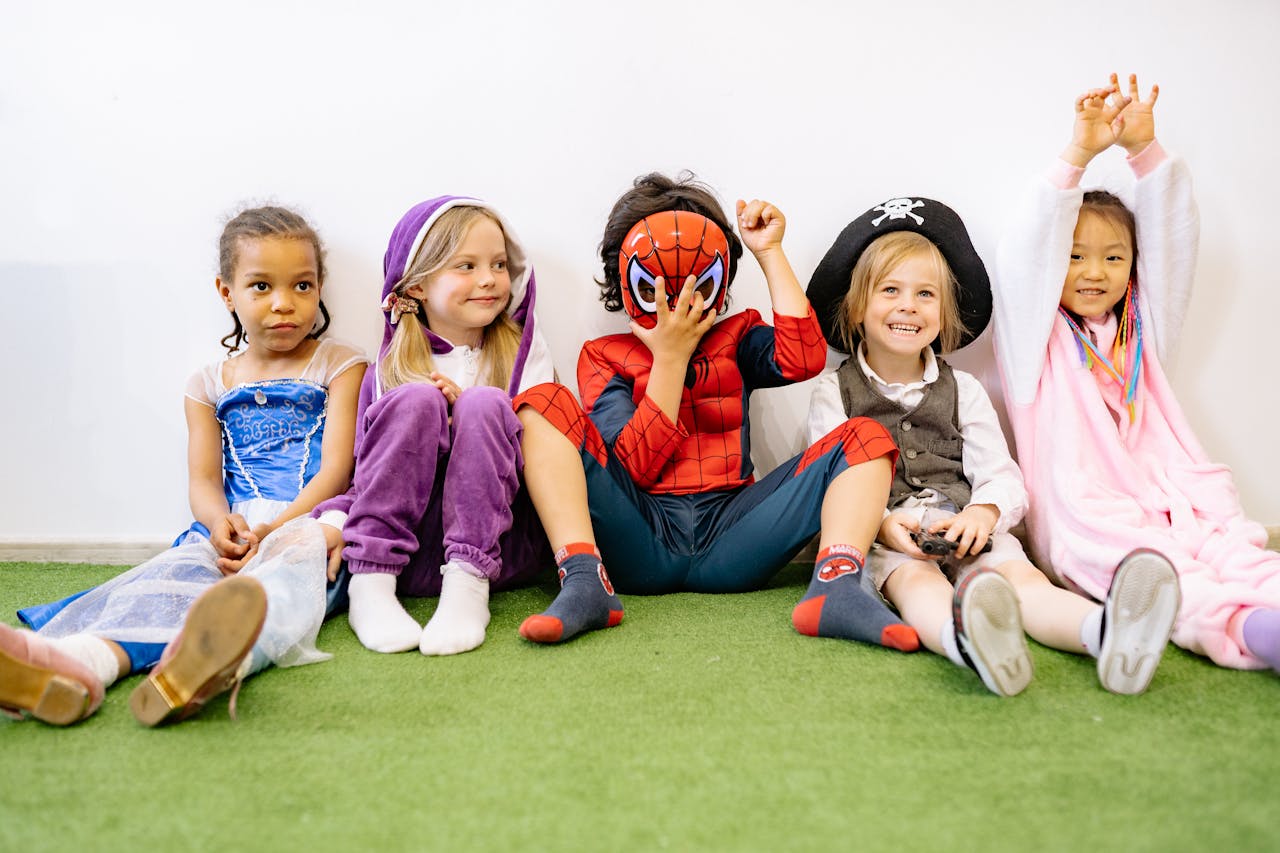
Play fosters creativity and imagination, allowing children to express themselves and explore new ideas. At MVPreschool, we provide a variety of creative play opportunities, such as art projects, dress-up games, and pretend play, to stimulate imagination and encourage creative thinking.

6. Problem-Solving and Critical Thinking

Through play, children learn to think critically and solve problems. Whether they are figuring out how to build a tall tower or navigate a new game, play challenges preschoolers to use their brains in innovative ways. Mangawhai Village MVPreschool offers a range of activities that promote problem-solving and critical thinking skills.

7. Self-Confidence and Independence

Play helps children build self-confidence and develop a sense of independence. When preschoolers successfully complete a task or create something new, they gain a sense of accomplishment. At MVPreschool, we support children’s independence by providing a safe and encouraging environment where they can take risks and learn from their experiences.

8. Play-Based Learning Activities at MVPreschool

At Mangawhai Village MVPreschool, we integrate play-based learning into our daily routines. Our curriculum is designed to provide a balance of structured and free play, allowing children to explore their interests and develop at their own pace. From sensory play to outdoor adventures, MVPreschool ensures that every child has the opportunity to learn through play.

Conclusion

Play is an essential part of early childhood development, and at Mangawhai Village MVPreschool, we are committed to providing a rich and supportive environment where children can thrive. Through play, preschoolers develop the cognitive, social, emotional, and physical skills they need for lifelong learning and success. We hope this blog has highlighted the importance of play and inspired you to incorporate more play-based activities into your child’s routine. Thank you for joining us on this journey at MVPreschool!
mvpreschools-blog-1

Creative Art Projects for Preschoolers at Mangawhai Village MVPreschool: Fun and Easy Ideas for Home and Classroom

Welcome to the Mangawhai Village MVPreschool blog! At MVPreschool, we believe that creativity is an essential part of early childhood development. Engaging in art projects not only fosters creativity but also enhances fine motor skills, encourages self-expression, and boosts self-confidence. In this blog, we’ll share some easy and fun art projects that preschoolers can enjoy both at home and in the classroom. Let’s dive into the world of creativity with Mangawhai Village MVPreschool!

Introduction to Art Projects for Preschoolers

At Mangawhai Village MVPreschool, we understand the importance of incorporating art into the daily routine of our preschoolers. Art projects are a fantastic way to stimulate creativity and imagination. They also help children develop important skills, such as hand-eye coordination, problem-solving, and the ability to follow instructions. Here are some of our favorite art projects that are perfect for young children.

 1. Finger Painting Fun

Finger painting is a classic art activity that never fails to excite preschoolers. All you need is some washable paint, large sheets of paper, and a space where your child can get a little messy. At MVPreschool, we encourage children to explore colors and textures by using their hands to create beautiful masterpieces.

2. Collage Creations

Creating collages is a wonderful way for preschoolers to express themselves. Gather materials such as magazine cutouts, fabric scraps, buttons, and glitter. Provide your child with a piece of cardboard or thick paper as a base, and let their imagination run wild. This activity is a favorite at Mangawhai Village MVPreschool because it allows children to explore different materials and textures.

3. Nature Art

Incorporating elements from nature into art projects is a great way to connect children with the environment. Take a nature walk with your preschooler and collect leaves, flowers, twigs, and stones. Back at MVPreschool or home, use these natural items to create beautiful nature collages or prints. It’s a fantastic way to combine art with outdoor exploration.

4. Paper Plate Crafts

Paper plates are a versatile and inexpensive material for art projects. At Mangawhai Village MVPreschool, we love transforming paper plates into masks, animals, and even planets. All you need are some basic craft supplies like markers, paint, glue, and scissors. Let your child’s imagination soar as they turn simple paper plates into creative works of art.

 5. Playdough Sculptures

Playdough is a fantastic medium for young children to explore three-dimensional art. Encourage your preschooler to create sculptures of animals, people, or abstract shapes. At MVPreschool, we often make our own playdough, which adds an extra element of fun and learning to the activity.

6. Handprint Art

Handprint art is a wonderful keepsake for parents and a fun activity for preschoolers. Use washable paint to create handprint animals, trees, or even a family tree. This project is popular at Mangawhai Village MVPreschool because it allows children to use their hands in a creative and meaningful way.

7. DIY Stamps and Prints

Creating stamps from everyday objects is a fun and creative art project. Use items like sponges, potatoes, or even leaves to create unique prints. At MVPreschool, we love exploring different textures and patterns by stamping with various objects. This activity helps preschoolers develop their fine motor skills and experiment with different artistic techniques.

8. Bubble Wrap Painting

Bubble wrap painting is an exciting and sensory-rich art project. Dip bubble wrap into paint and press it onto paper to create interesting patterns and textures. This activity is a hit at Mangawhai Village MVPreschool because it combines the fun of painting with the joy of popping bubble wrap.

9. Tissue Paper Art

Tissue paper is a versatile material for art projects. Create beautiful mosaics or stained glass effects by gluing colored tissue paper onto a clear plastic sheet or paper. At MVPreschool, we often use this technique to create vibrant and colorful window decorations.

Conclusion

Art projects are an essential part of the preschool experience at Mangawhai Village MVPreschool. They provide children with opportunities to express themselves, develop important skills, and have fun. We hope these ideas inspire you to get creative with your preschooler, whether at home or in the classroom. Remember, the most important thing is to encourage your child to explore and enjoy the process of creating art. Happy crafting from all of us at MVPreschool!

mvpreschool-blog-4

Social Skills and Making Friends at Mangawhai Village MVPreschool: Strategies for Helping Preschoolers Develop Connections

Welcome to the Mangawhai Village MVPreschool blog! At MVPreschool, we believe that developing social skills and making friends is a crucial part of early childhood education. Strong social skills not only help children form meaningful relationships but also support their emotional well-being and academic success. In this blog, we will discuss various strategies to help preschoolers at Mangawhai Village MVPreschool develop social skills and build friendships. Let’s explore how we can nurture these essential connections!

Introduction to Social Skills Development

At Mangawhai Village MVPreschool, we recognize that social skills are fundamental to a child’s overall development. These skills enable children to communicate effectively, understand social cues, and form healthy relationships. By focusing on social skills development, we aim to provide our preschoolers with the tools they need to navigate social interactions with confidence and ease.

1. Understanding the Importance of Social Skills

Social skills are essential for preschoolers as they learn to interact with their peers and adults. These skills include sharing, taking turns, listening, and expressing emotions appropriately. At MVPreschool, we emphasize the importance of social skills as they contribute to a child’s success in school and life.

2. Encouraging Play-Based Social Interaction

Play is a natural way for children to develop social skills. At Mangawhai Village MVPreschool, we encourage play-based social interactions through various activities. Whether it’s building with blocks, engaging in imaginative play, or participating in group games, these interactions help children learn to cooperate, negotiate, and solve conflicts.

3. Modeling Positive Social Behavior

Children learn social skills by observing the adults around them. At MVPreschool, our teachers model positive social behavior by demonstrating kindness, patience, and effective communication. By observing these behaviors, preschoolers learn how to interact respectfully and empathetically with others.

4. Creating a Supportive Environment

A supportive and inclusive environment is crucial for fostering social skills. At Mangawhai Village MVPreschool, we create a safe space where children feel valued and accepted. This environment encourages preschoolers to express themselves, take risks, and engage with their peers without fear of judgment.

5. Teaching Empathy and Emotional Understanding

Empathy is a key component of social skills. At MVPreschool, we teach children to recognize and understand their own emotions and the emotions of others. Through activities like storytelling, role-playing, and discussions about feelings, we help preschoolers develop empathy and emotional understanding.

6. Facilitating Group Activities and Cooperative Play

Group activities and cooperative play are excellent ways for children to practice social skills. At Mangawhai Village MVPreschool, we organize activities that require teamwork and collaboration. These activities help children learn to work together, share responsibilities, and achieve common goals.

7. Role-Playing and Social Scenarios

Role-playing is an effective strategy for teaching social skills. At MVPreschool, we use role-playing to help children practice various social scenarios. Whether it’s taking turns being the teacher or acting out a story, role-playing allows preschoolers to explore different perspectives and develop problem-solving skills.

8. Addressing Social Challenges

Some children may face challenges in developing social skills. At Mangawhai Village MVPreschool, we provide additional support for children who need help navigating social interactions. Our teachers work closely with these children to build their confidence and help them develop the skills they need to form friendships.

Conclusion

Developing social skills and making friends are essential aspects of early childhood education at Mangawhai Village MVPreschool. By creating a supportive environment, encouraging play-based social interactions, and teaching empathy, we help our preschoolers build the foundation for strong, healthy relationships. We hope these strategies inspire you to support your child’s social development at home and in the community. Thank you for joining us on this journey at MVPreschool.